
By late February to early March, most cars are quietly suffering, and not necessarily because of snow or frost.
It’s because of salt.
Weeks of cold weather, wet roads and grit spreaders mean your car has been repeatedly coated in a fine, corrosive layer of road salt. And while you might have washed the bodywork a few times, there’s one place most people forget: under the bonnet.
Why February/March is peak corrosion season
Salt doesn’t cause problems immediately, it builds up. Here’s what usually happens:
- December: first salting of the roads
- January: constant damp and cold
- February: repeated freeze/thaw cycles (the conditions that also cause potholes)
- Early March: slightly warmer, still wet
This timeline of events combines to create an ecosystem that is perfect for corrosion. Salt attracts moisture, moisture encourages oxidation, and oxidation quietly eats away at exposed metal components. By the time spring sunshine appears, the damage may already be underway.
Why cleaning under the bonnet matters
The great engine bay disconnect is well underway, with most under-bonnet areas protecting owners from the unnerving complexity of an engine, ancillaries, pipes and looms with a large plastic shroud. However under the black plastic you’ll find:
- Brake lines
- Suspension top mounts
- Bolts and brackets
- Electrical connections
- Metal seams and joins
Left coated in winter grime, these parts sit in a salty, damp environment for weeks. A clean engine bay runs cooler, makes leaks easier to spot and slows corrosion – as well as just giving you that satisfying new-car feel. But ultimately it’s about preventative maintenance, not vanity.
The simple late-winter fix
Choose a dry day. Let the engine cool fully. You don’t need detailing tools or expensive chemicals, just follow this plan:
1. Protect sensitive components
Cover the air intake, exposed electrical connectors and distributor (if applicable) with plastic bags.
2. Remove loose grime
Use a stiff brush to dislodge obvious dirt and salt deposits.
3. Clean gently
A mild degreaser or even diluted washing-up liquid works for routine cleaning. Avoid pressure washers; a light spray from a hose is enough.
4. Rinse lightly
Don’t flood the engine bay. You’re removing residue, not power-washing paving slabs.
5. Dry thoroughly
Wipe down with cloths and allow everything to air dry before starting the engine.
Bonus benefit: early problem detection
Late winter is also when minor issues show themselves. While cleaning, look for:
- White corrosion on metal fittings
- Damp around battery terminals
- Oil residue you hadn’t noticed before
- Perished rubber hoses
Spotting these now is far cheaper than discovering them at MoT time.
A great sneaky late-Winter car hack
Understanding that February is the tipping point, when months of salt exposure have quietly accumulated, goes some way to elongating the life of your car.
Ten or 15 minutes of sensible cleaning now can prevent long-term corrosion and save you from spring repair bills. And that’s exactly what car hacking is about: small effort, disproportionate benefit.
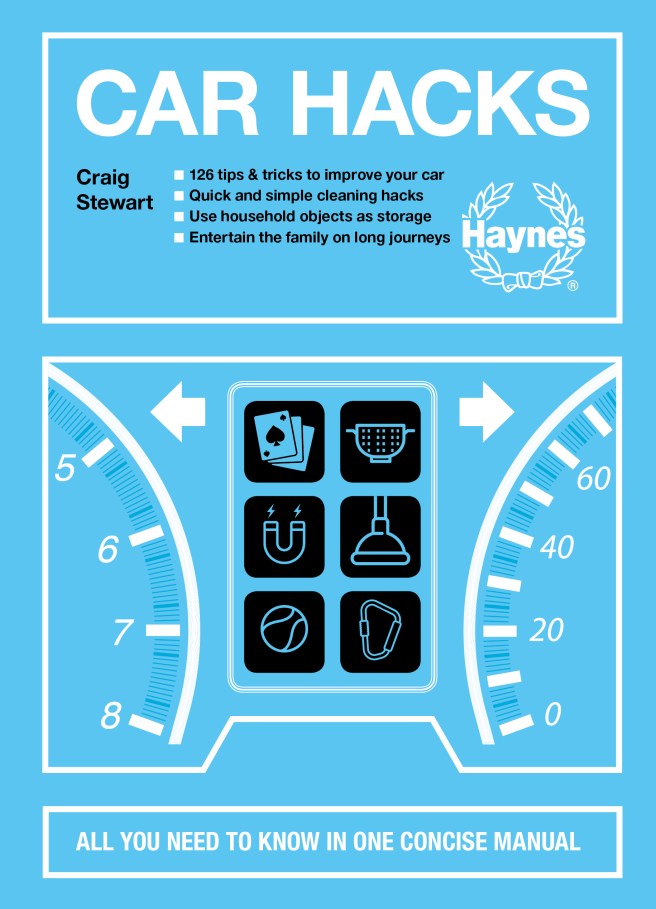
This tip is from the author of Car Hacks – a collection of clever, low-cost ways to make everyday driving, owning and maintaining a car easier, cheaper and less frustrating. If you like practical fixes that use everyday household items (and don’t require mechanical know-how), you’ll find loads more inside the book.
 Car Hacks