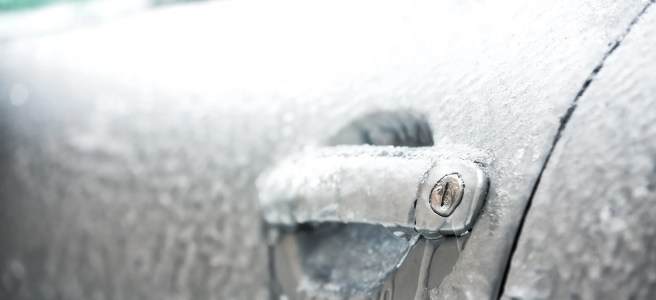
Few winter car problems are as immediately infuriating as a door that simply won’t open. The handle moves, the lock clicks, but the door stays stubbornly sealed in place. More often than not, the culprit isn’t the lock at all. It’s the rubber door seal, frozen solid against the bodywork. The good news? This is one of the easiest winter car problems to prevent.
Why car doors freeze shut
Modern car doors rely on flexible rubber seals to keep water, wind and noise out of the cabin. In cold weather, moisture trapped in those seals can freeze overnight, effectively gluing the door shut.
This is especially common:
- After rain followed by a sharp temperature drop
- On older or dry, unconditioned rubber seals
- When the car is parked overnight outdoors
Yanking harder on the door rarely helps, and can tear the seal or damage trim.
The simple preventative fix
All rubber seals need is a bit of conditioning. By lightly lubricating them, you:
- Repel moisture
- Stop ice bonding the seal to the metal
- Keep the rubber supple rather than brittle
This isn’t about making things slippery, it’s all about protecting the rubber.
How to stop door seals freezing
- Clean the seals first
Wipe around the door and body seals with a clean, damp cloth to remove dirt and grit. - Apply a rubber-safe lubricant
Silicone spray is ideal. Spray a small amount onto a cloth rather than directly onto the car. - Wipe along the full length of the seal
Cover the rubber evenly, paying attention to corners and lower sections where water collects. - Let it absorb
Give it a few minutes before closing the door.
That’s it. The whole job takes less than five minutes.
What should you use?
Good options:
- Silicone spray
- Specialist rubber conditioner
- Dedicated door seal lubricant
Avoid:
- Petroleum jelly (it can damage rubber over time)
- Heavy oils or greases
- Anything that stays wet or sticky
Extra benefits you’ll notice
This isn’t just a winter win. Conditioned seals also:
- Reduce wind noise at speed
- Improve water sealing in heavy rain
- Slow age-related cracking and shrinkage
It’s a small job that quietly improves your car all year round.
A proper winter car hack
Not too costly, not too much elbow grease. A bit of basic care that prevents wrestling with frozen doors at 7am, and keeps your car feeling better for longer. That’s car hacking in a nutshell.
This tip is from the author of Car Hacks – a collection of clever, low-cost ways to make everyday driving, owning and maintaining a car easier, cheaper and less frustrating. If you like practical fixes that use everyday household items (and don’t require mechanical know-how), you’ll find loads more inside the book.
 Car Hacks